
Joseph Joachim Raff
Streichquartett Nr. 2 A-dur op. 90

Ver
PDF
Recomendar
Recomendar artículo
Joseph Joachim Raff
Streichquartett Nr. 2 A-dur op. 90
- Formación Cuarteto de cuerda (2 violines, viola y violonchelo)
- Edición Set de partichelas (Urtext)
- Compositor Joseph Joachim Raff
- Editorial Breitkopf & Härtel
- Editor Severin Kolb Stefan König
- Nº de pedido EB8940
IVA incluido.,
Más gastos de envío
 en stock
|
disponible en 1-3 días laborables

Descripción:
Orchestrally-conceived, full of energetic vigor, and at times uncompromisingly modern: The two captivating quartets are now available as Urtext editions.
With his first String Quartet in D minor, op. 77, composed in 1855, the native Swiss composer Joachim Raff bid a brilliant farewell to Weimar. He had been there as Franz Liszt's assistant since 1850 and had made a name for himself in the city's art scene - now he embarked on new paths. He composed his second Quartet in A major, op. 90, already in 1857 in Wiesbaden, the spa town that was to become his home for 21 years.
The two quartets are unequivocal works: orchestrally-conceived, full of energetic vigor, and at times uncompromisingly modern. They confidently continue the Beethoven tradition and attest at the same time to Raff's intensive confrontation with Richard Wagner's music during the Weimar years. In his chamber music, the composer wanted to achieve progress 'in an inherently historical way' and 'to ground the individual substance in existing forms,' as he told the Viennese violinist Josef Hellmesberger, who launched opus 77. The quartets, first published in 1860/62, found illustrious interpreters, among them, the Müller brothers' renowned ensemble, to which opus 90 was also dedicated, and Joseph Joachim.
Los clientes han valorado este artículo:
Partituras desde 1969

Desde 1969, más de 500.000 clientes confían en nosotros. Con una enorme selección de más de 1.000.000 de partituras, somos uno de los mayores proveedores de Europa. Gracias a nuestro gran stock, a menudo podemos enviar partituras en 24 horas. Sea cual sea la partitura que busque: ¡está en el lugar correcto!
Atentamente, Stefanie Reichert
Responsable de atención al cliente

Otros clientes también compraron:

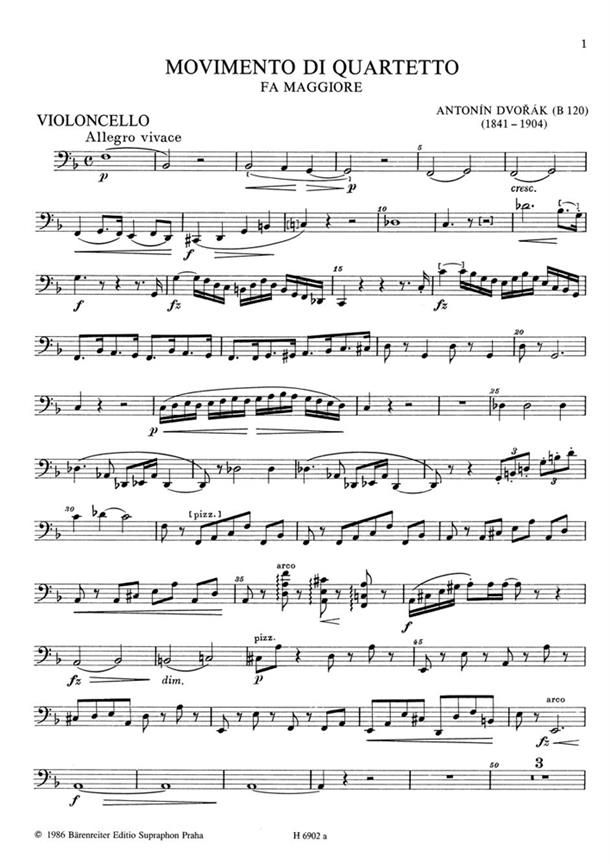
Antonín Dvořák
- Cuarteto de cuerda (2 violines, viola y violonchelo)
- Set de partichelas (Urtext)
-
en stock
|
disponible en 1-3 días laborables

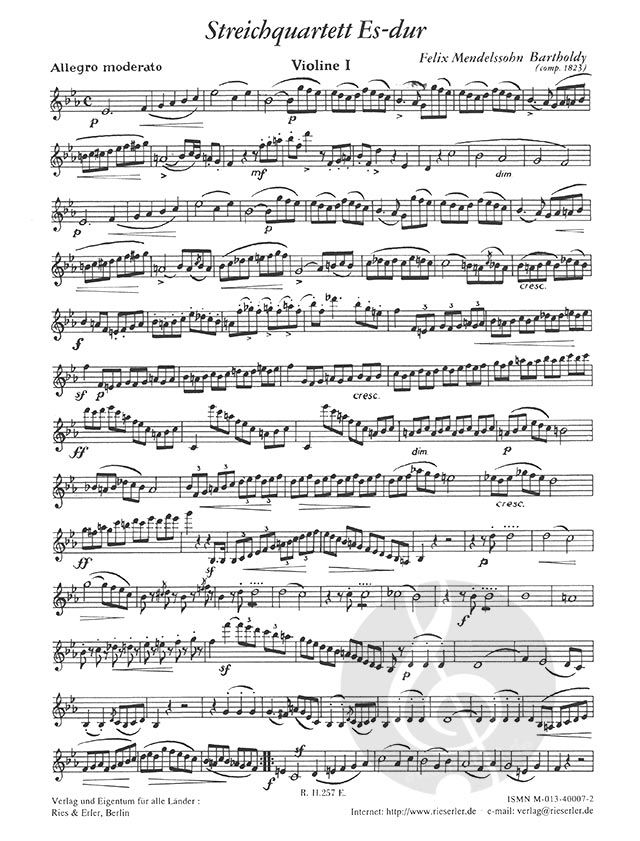
Felix Mendelssohn Bartholdy
- Cuarteto de cuerda (2 violines, viola y violonchelo)
- Set de partichelas
-
en stock
|
disponible en 1-3 días laborables

- Cuarteto de Cuerda
- Set de partichelas
-
en stock
|
disponible en 1-3 días laborables
- También disponible para descarga.

- Cuarteto de cuerda (2 violines, viola y violonchelo)
- Partitura general y partichelas
-
disponible en 4-8 días laborables

- Cuarteto de cuerda (2 violines, viola y violonchelo)
- Partituras
-
disponible en 4-8 días laborables

Anton Bruckner
- Cuarteto de cuerda (2 violines, viola y violonchelo)
- Partitura general y partichelas
-
en stock
|
disponible en 1-3 días laborables

- Dúo de cuerda (violín y violonchelo)
- Partituras
-
en stock
|
disponible en 1-3 días laborables

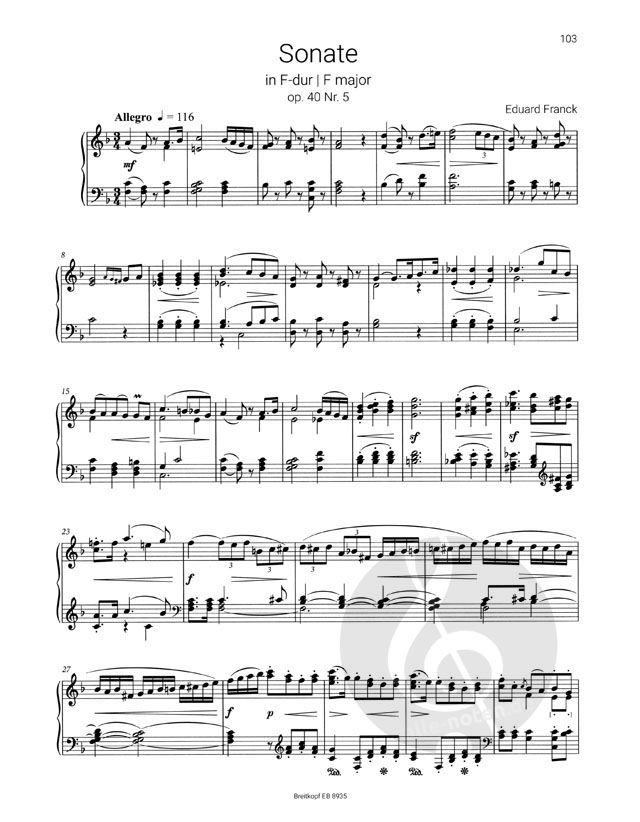
Eduard Franck
- Violín y piano
- Partituras (Urtext)
-
en stock
|
disponible en 1-3 días laborables

Eduard Franck
- Violonchelo y piano
- Partitura(s) general(es) de conjunto
-
en stock
|
disponible en 1-3 días laborables

Eduard Franck
- Violín y piano
- Partitura de piano y partichela(s)
-
en stock
|
disponible en 1-3 días laborables

Joseph Joachim Raff
- Cuarteto de cuerda (2 violines, viola y violonchelo)
- Partitura general de estudio (Urtext)
-
disponible en 2-5 días laborables

Eduard Franck
- Piano
- Partituras (Urtext)
-
en stock
|
disponible en 1-3 días laborables

Joseph Joachim Raff
- Cuarteto de cuerda (2 violines, viola y violonchelo)
- Set de partichelas (Urtext)
-
en stock
|
disponible en 1-3 días laborables

Eduard Franck
- Violonchelo y piano
- Partitura(s) general(es) de conjunto
-
en stock
|
disponible en 1-3 días laborables

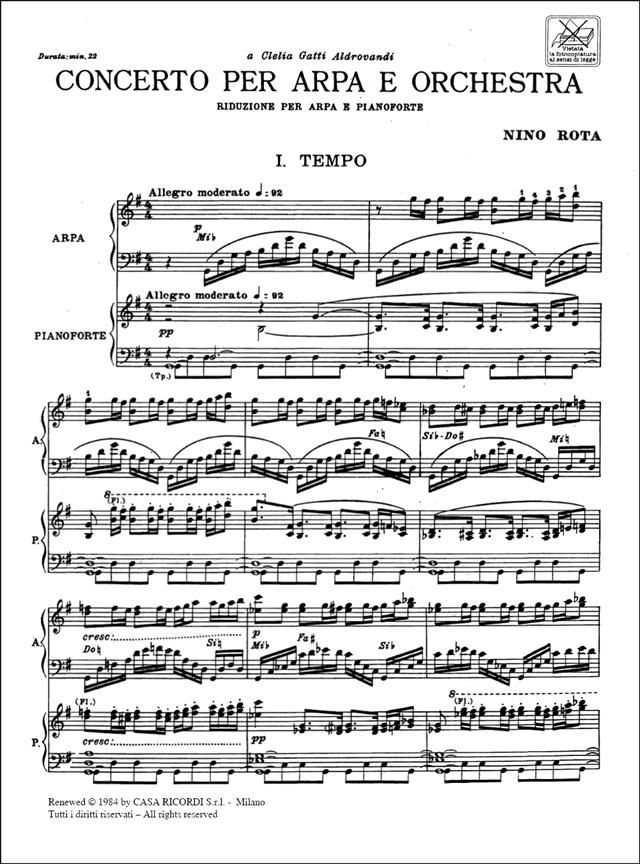
Nino Rota
- Arpa y piano
- Reducción de piano
-
disponible en 3-6 días laborables