
Astor Piazzolla
Histoire du tango

Ver
PDF
Recomendar
Recomendar artículo
Astor Piazzolla
Histoire du tango
- Formación Cuarteto de saxofones (SATB)
- Edición Partitura general y partichelas
-
Dificultad
- Compositor Astor Piazzolla
- Adaptador Alain Voirpy
- Editorial Editions Henry Lemoine
- Nº de pedido LEMO25267
IVA incluido.,
Más gastos de envío
 en stock
|
disponible en 1-3 días laborables

Descripción:
Transcription for 4 saxophones by Claude Voirpy.
Bordel 1900:
The tango was born in Buenos-Aires in 1882. It was first played on the guitar and the flute. The piano was added later, followed by the bandoneon. It is music full of charm and vivacity, that gives the impression of the good spirits and volubility of the French, Italian and Spanish women who lived in these brothels, enticing the policemen, thieves, sailors and hoodlums who visited them. The tango is cheerful.
Café 1930:
This is a different era of the tango. People no longer danced to it, as in the 1900s and became satisfied by just listening, which allowed for a more musical and romantic evolution. This was a radical transformation. The tango became slower, more melancholic, and incorporated new harmonies. Tango orchestras were made up of two violins, two bandoneons, a piano and a double bass. Sometimes it was sung.
Night-club 1960:
A new evolution was witnessed during this period, in which international exchange increased considerably. Brazil and Argentina met in Buenos-Aires - bossa nova and the new tango were 'same battle'. The public flocked to the nightclubs to listen earnestly to the new tango - a revolution and profound disruption of certain forms of old tango.
Concert d'aujourd'hui:
Certain concepts join tango music with contemporary music, such as recollections by Bartok, Stravinsky and several others on a tango base. This is today's tango, the tango of the future...
-
Bordel 1900
-
Café 1930
-
Concert D'aujourd'hui
Los clientes han valorado este artículo:
Partituras desde 1969

Desde 1969, más de 500.000 clientes confían en nosotros. Con una enorme selección de más de 1.000.000 de partituras, somos uno de los mayores proveedores de Europa. Gracias a nuestro gran stock, a menudo podemos enviar partituras en 24 horas. Sea cual sea la partitura que busque: ¡está en el lugar correcto!
Atentamente, Stefanie Reichert
Responsable de atención al cliente
Otros clientes también compraron:


Heinrich Osterholt
All pieces for one or two English horns or oboes da caccia from cantats and oratories
- Dúo de oboes
- Partituras para descargar
-
Inmediatamente disponible
|
Descargar inmediatamente al finalizar la orden

- Cuarteto de saxofones (SATB/AATB)
- Partitura general y partichelas
- Bert van Haagen
-
en stock
|
disponible en 1-3 días laborables

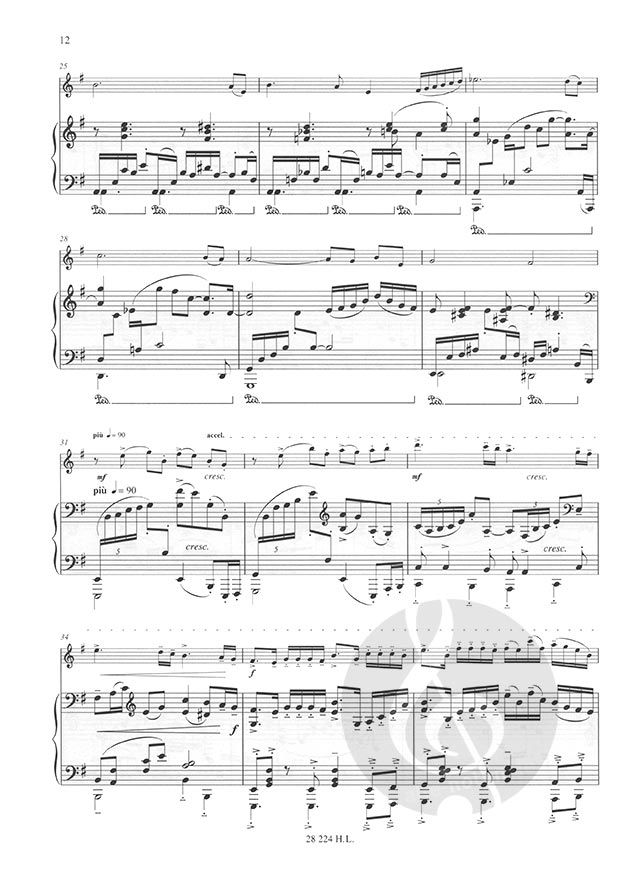
- Saxofón alto y piano
- Partituras
-
en stock
|
disponible en 1-3 días laborables
- También disponible para descarga.

- Saxofón tenor y piano
- Partituras
-
en stock
|
disponible en 1-3 días laborables

Frank Reinshagen
- Cuarteto de saxofones (AATB)
- Partitura general y partichelas
-
en stock
|
disponible en 1-3 días laborables

- Saxofón alto y electrónica
- Partituras
-
disponible en 3-6 días laborables

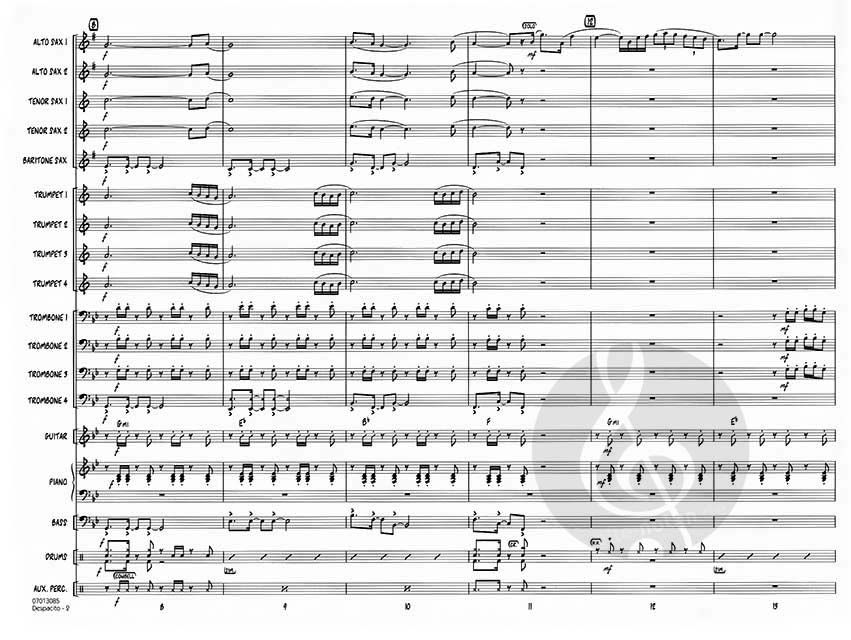
Luis Fonsi, Daddy Yankee
- Big Band
- Partitura general y partichelas
- Paul Murtha
-
en stock
|
disponible en 1-3 días laborables

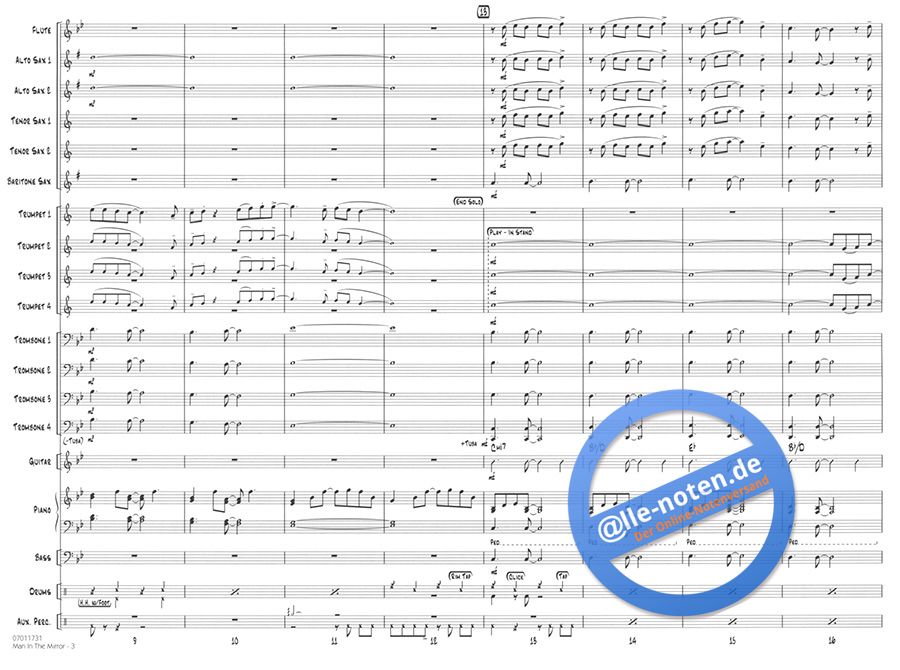
Stevie Wonder
- Big Band
- Partitura general y partichelas
- Paul Murtha
-
en stock
|
disponible en 1-3 días laborables
- También disponible para descarga.

Tilmann Dehnhard
An introduction to modern flute techniques with workbook and DVD
- Flauta travesera
- Partituras y DVD
-
en stock
|
disponible en 1-3 días laborables

- Flauta travesera y piano
- Partituras
-
en stock
|
disponible en 1-3 días laborables

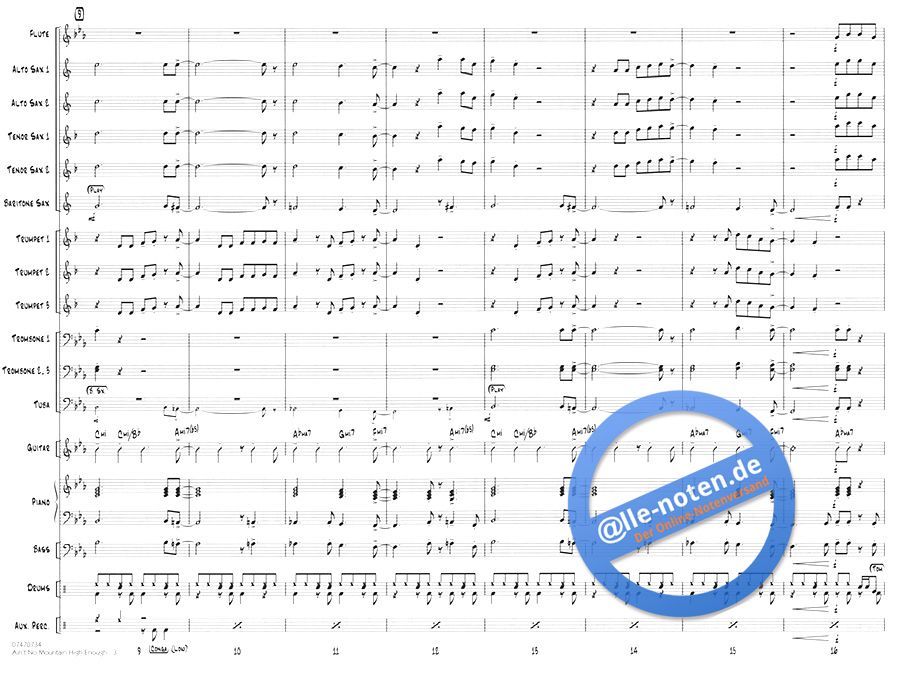
Nickolas Ashford, Valerie Simpson
- Big Band
- Partitura general, partichelas y audio en línea
- John Berry
-
en stock
|
disponible en 1-3 días laborables
- También disponible para descarga.

- Big Band
- Partitura general, partichelas y audio en línea
- Paul Jennings
-
en stock
|
disponible en 1-3 días laborables
- También disponible para descarga.

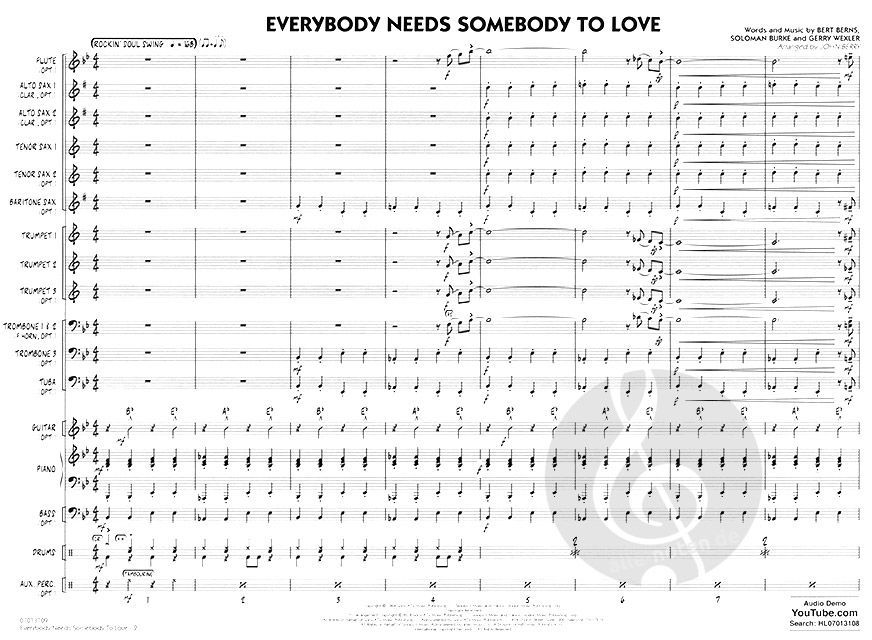
Jerry Wexler, Solomon Burke, Bert Berns
- Big Band
- Partitura general y partichelas
- John Berry
-
en stock
|
disponible en 1-3 días laborables
- También disponible para descarga.


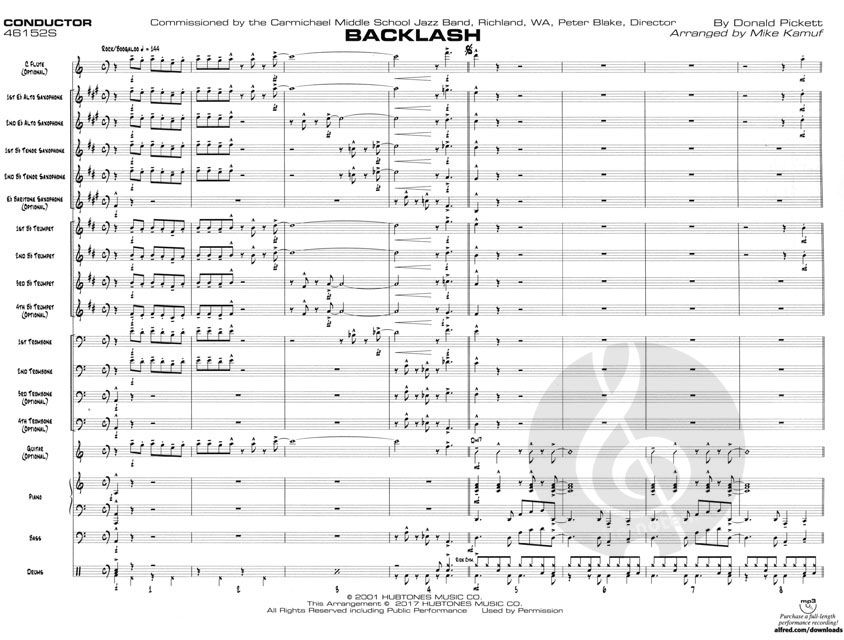
- Big Band
- Partitura general y partichelas
- Michael Kamuf
-
en stock
|
disponible en 1-3 días laborables
- También disponible para descarga.