
Camille Saint-Saëns
The Carnival of the Animals
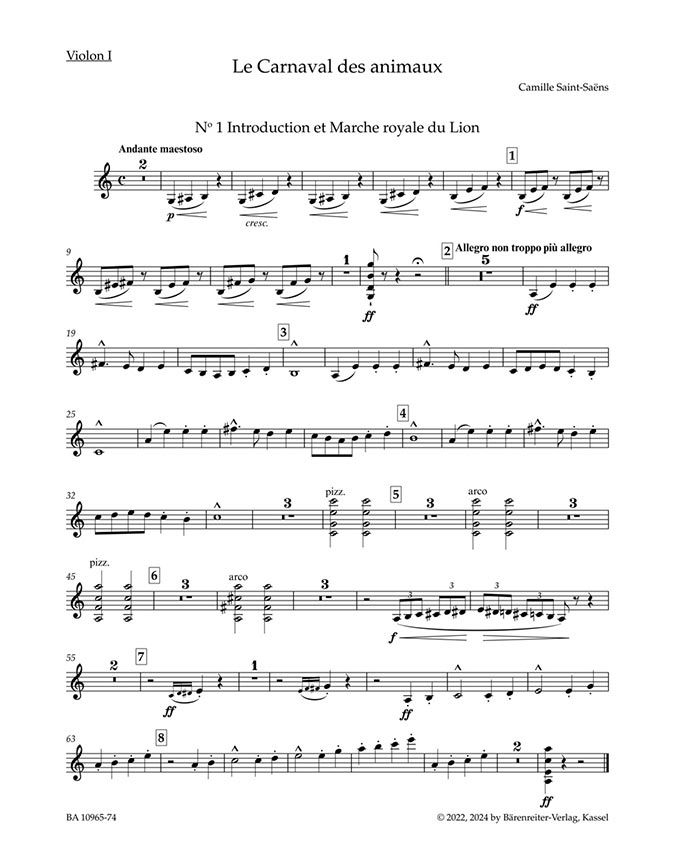
Camille Saint-Saëns
The Carnival of the Animals
- Formación Orquesta de cámara
- Compositor Camille Saint-Saëns
- Serie Bärenreiter Urtext
- Editor Sabina Teller Ratner
-
Dificultad
- Edición Partichela de violín 1 (Urtext)
- Editorial Bärenreiter Verlag
- Nº de pedido BA10965-74
 disponible en 2-4 días laborables
IVA incluido.,
Más gastos de envío
No disponible en todos los países. Leer más

Descripción de la:
In February 1886, Camille Saint-Saëns was supposed to urgently complete his “Organ Symphony”, but instead he worked on a composition that he had been dwelling on for a long time. This was “The Carnival of the Animals” with which he wanted to surprise the cellist Charles Joseph Lebouc for a carnival concert. Soon very popular within the composer’s circle, Saint-Saëns requested that the work was not to be published before his death. The only exception was the penultimate of the 14 movements, “The Swan”, which was published before Saint-Saëns died and was arranged in many different ways.
The special appeal of “The Carnival” lies in the diversity of the movements, which take a “zoological” look at pianists as well as numerous animals. Excerpts from works by composers such as Mendelssohn, Berlioz and Offenbach express both admiration and parody. Ultimately, it is this complexity that makes the composition particularly ingenious and entertaining.
The performing edition contains a detailed Introduction (Ger/Eng/Fr) and a Critical Commentary (Fr). The string parts are available separately, so that they can be played soloistically as was the case during the first performances, or in groups as in later performances.
The special appeal of “The Carnival” lies in the diversity of the movements, which take a “zoological” look at pianists as well as numerous animals. Excerpts from works by composers such as Mendelssohn, Berlioz and Offenbach express both admiration and parody. Ultimately, it is this complexity that makes the composition particularly ingenious and entertaining.
The performing edition contains a detailed Introduction (Ger/Eng/Fr) and a Critical Commentary (Fr). The string parts are available separately, so that they can be played soloistically as was the case during the first performances, or in groups as in later performances.
Los clientes han valorado este artículo:
Información del Fabricante:
Bärenreiter-Verlag Karl Vötterle GmbH & Co. KG
Heinrich-Schütz-Allee 35-37
34131
Kassel
Deutschland
Artículos relacionados:

- Orquesta de cámara
- Partitura de descargar (Urtext)
- Bärenreiter Verlag
-
-
Inmediatamente disponible
Descargar inmediatamente al finalizar la orden - Descarga instantánea
- Orquesta de cámara
- Partitura general (Urtext)
- Bärenreiter Verlag
-
-
en stock
disponible en 1-3 días laborables - También disponible para descarga.
- Orquesta de cámara
- Partes de armonía (Urtext)
- Bärenreiter Verlag
-
-
disponible en 2-4 días laborables
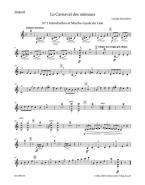
- Orquesta de cámara
- Partichela de violín 2 (Urtext)
- Bärenreiter Verlag
-
-
disponible en 2-4 días laborables
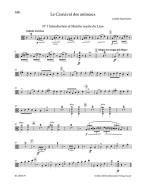
- Orquesta de cámara
- Partichela de contrviola (Urtext)
- Bärenreiter Verlag
-
-
disponible en 2-4 días laborables
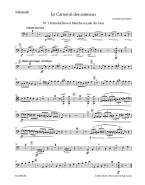
- Orquesta de cámara
- Partichela de violonchelo (Urtext)
- Bärenreiter Verlag
-
-
disponible en 2-4 días laborables

- Orquesta de cámara
- Partichela de contrabajo (Urtext)
- Bärenreiter Verlag
-
-
disponible en 2-4 días laborables