
Jacques Offenbach
Cancan - Sonderstimmen
aus 'Orpheus in der Unterwelt'

Jacques Offenbach
Cancan - Sonderstimmen
aus 'Orpheus in der Unterwelt'
- Formación Orquesta
- Edición Set de partichelas
-
Dificultad
- Compositor Jacques Offenbach
- Adaptador Thomas Stapf
- Editorial Musikverlag Andrea Wiegand
- Nº de pedido ETM174S
IVA incluido.,
Más gastos de envío
 disponible en 2-4 días laborables

Descripción:
With his Galop Infernal from the second act of his operetta Orpheus in the Underworld (1858 in Paris), Jacques Offenbach gave us what is probably the most famous music ever written to accompany the cancan; in fact, it has long been one of the most popular melodies worldwide. The cancan, a fast French dance in 2/4 time, evolved in Paris around 1830, where it is still today one of the attractions of the music hall Moulin Rouge.
Essential for any performance is first of all a string ensemble but the piece can even be played by the soloists of a string quartet if desired. Apart from Violin I (and the first few bars of the cello), all the parts only require the first position; moreover, the viola can be replaced by a Violin III. An easy part for the violin (using only the first finger pattern) is also provided so that beginners can be included too. The parts are marked with bowing.
Additionally, both a full complement of woodwind (flute, oboe, clarinet, bassoon) and brass instruments (trumpet, horn, trombone) can also join in ad libitum. Timpani, percussion, xylophone, harp and piano put the finishing touches to the symphonic soundscape.
The score is written in C while the parts in the parts book are transposed accordingly.
Los clientes han valorado este artículo:
Musikverlag Andrea Wiegand
Schreinerstr. 8
85077
Manching
Deutschland
Partituras desde 1969

Desde 1969, más de 500.000 clientes confían en nosotros. Con una enorme selección de más de 1.000.000 de partituras, somos uno de los mayores proveedores de Europa. Gracias a nuestro gran stock, a menudo podemos enviar partituras en 24 horas. Sea cual sea la partitura que busque: ¡está en el lugar correcto!
Atentamente, Stefanie Reichert
Responsable de atención al cliente

Otros clientes también compraron:

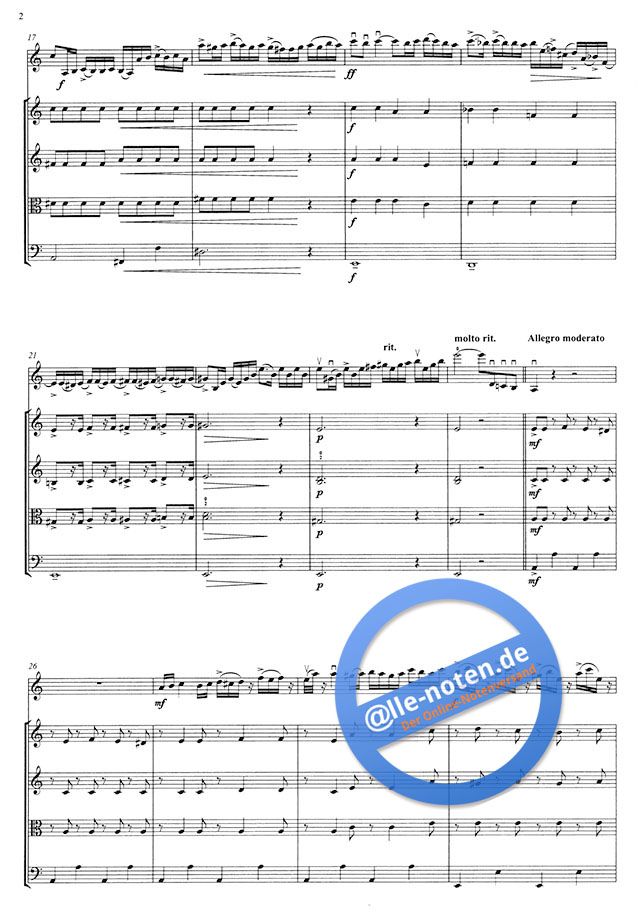
Oskar Rieding, William McConnell
- Violín y orquesta de cuerda
- Partitura general y partichelas
-
disponible en 3-6 días laborables

Hillsong United
- Cuarteto de cuerda (2 violines, viola y violonchelo)
- Partitura general y partichelas
- Richard A. Nichols
-
disponible en 3-4 semanas

- Orquesta
- Partitura general y partichelas
- Thomas Stapf
-
en stock
|
disponible en 1-3 días laborables

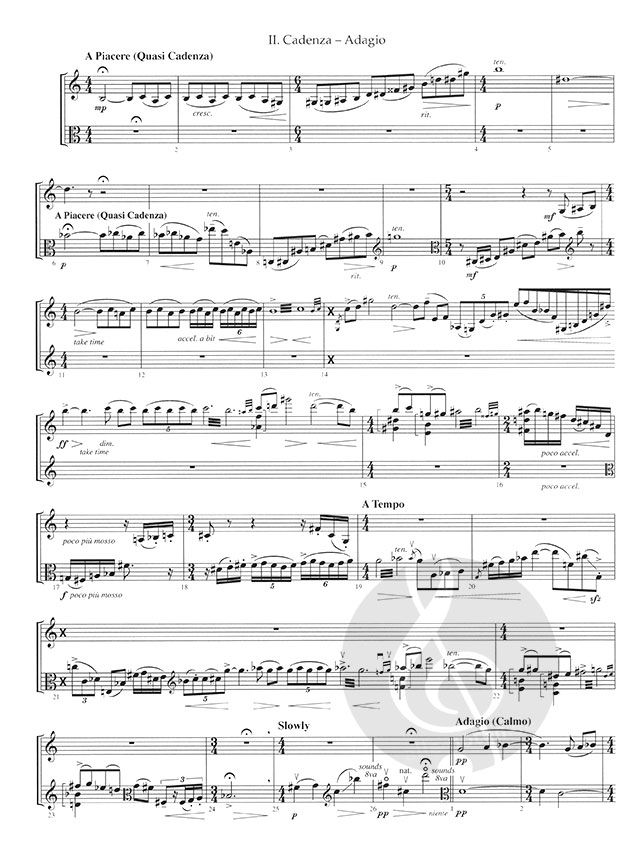
- Dúo de cuerda (violín y viola)
- Partituras
-
en stock
|
disponible en 1-3 días laborables

(from Phantom of the Opera)
- Violín y orquesta de cuerda
- Partitura general y partichelas
- Calvin Custer
-
disponible en 3-6 días laborables


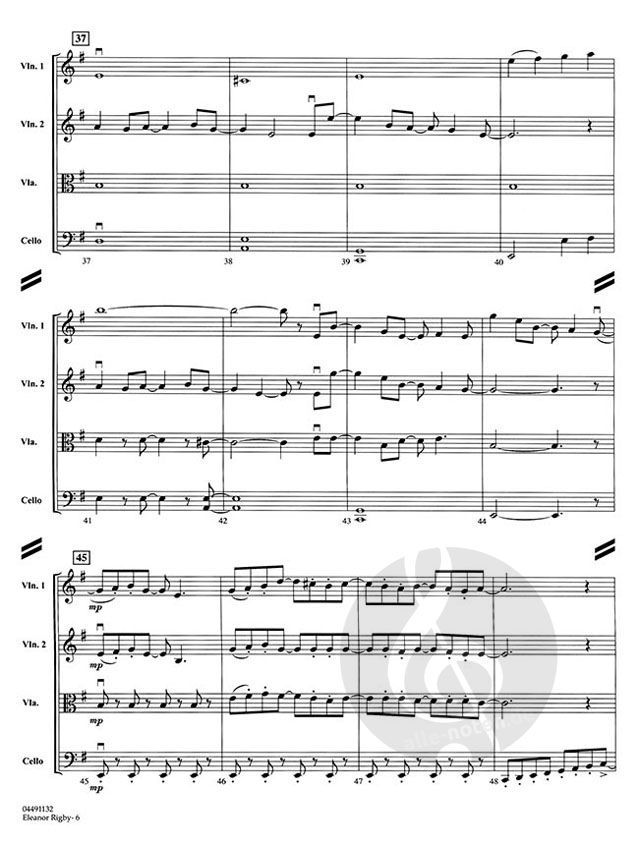
The Beatles
- Cuarteto de Cuerda
- Partitura general y partichelas
- Larry Moore
-
en stock
|
disponible en 1-3 días laborables
- También disponible para descarga.

Billy Joel
- Cuarteto de Cuerda
- Partitura general y partichelas
- Larry Moore
-
disponible en 3-4 semanas
- También disponible para descarga.

The Blues Brothers
- Big Band
- Partitura general y partichelas
- Paul Murtha
-
en stock
|
disponible en 1-3 días laborables
- También disponible para descarga.

- Big Band
- Partitura general, partichelas y audio en línea
- Michael Sweeney
-
disponible en 3-6 días laborables

Andrea Holzer-Rhomberg
Besetzung: Violine 1, Violine 2, Violoncello 1, Violoncello 2, Kontrabass, Klavier (Viola 1, Viola 2 optional)
- Piano y orquesta de cuerda
- Partitura general y partichelas
-
en stock
|
disponible en 1-3 días laborables

Andrea Holzer-Rhomberg
Besetzung: Violine 1, Violine 2, Violoncello 1, Violoncello 2, Kontrabass, Klavier (Viola 1, Viola 2 optional)
- Piano y orquesta de cuerda
- Partitura general y partichelas
-
en stock
|
disponible en 1-3 días laborables

- Orquesta
- Partitura general y partichelas
- Thomas Stapf
-
en stock
|
disponible en 1-3 días laborables

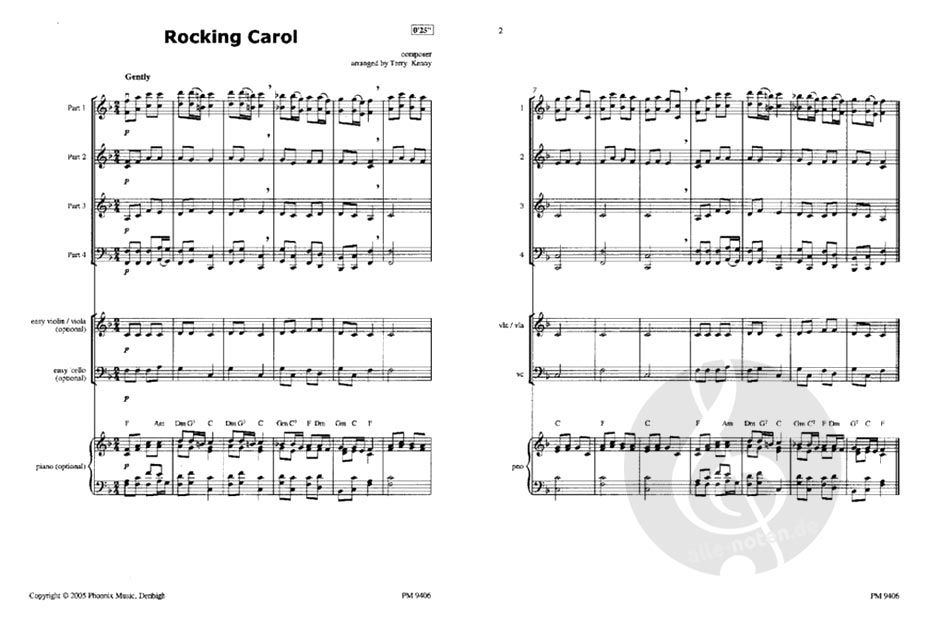
- Conjunto flexible (4 instrumentos)
- Partitura general y partichelas
- Terry Kenny
-
disponible en 3-4 semanas
- También disponible para descarga.


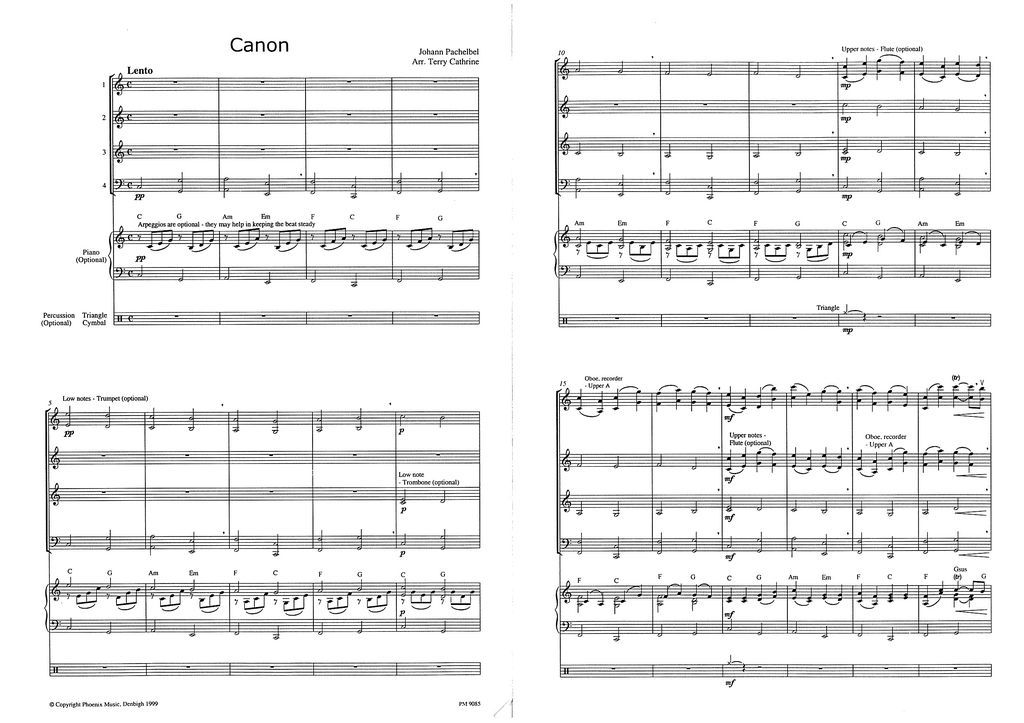
- Conjunto flexible (4 instrumentos)
- Partitura general y partichelas
- Terry Cathrine
-
en stock
|
disponible en 1-3 días laborables
- También disponible para descarga.