
Henry Purcell
Dido and Aeneas

Henry Purcell
Dido and Aeneas
- Formación Solistas, coro mixto (SATB) y orquesta
- Edición Partitura general (Urtext)
- Compositor Henry Purcell
- Editorial Bärenreiter Verlag
- Serie Bärenreiter Urtext
- Editor Robert Shay
- Nº de pedido BA8744
IVA incluido.,
Más gastos de envío
 en stock
|
disponible en 1-3 días laborables
Descripción:
The opera “Dido and Aeneas”, a recount of the well-known story from Book IV of Virgil's Aeneid, has established itself as a favourite with the public. This is due to the skill of composer Henry Purcell and his librettist Nahum Tate, who combined an overriding tragic theme with masterfully inserted comic episodes.
Long believed to have been conceived in 1689 for a performance at a “School for Young Gentlewomen”, scholars have debated the origins of “Dido” in recent decades, a process hampered by the lack of early musical sources. This edition addresses these challenges and evaluates the earliest sources that reproduce the opera in its surviving form. Surprisingly, these date from the 1770s and 80s, some ninety years after the work was written. Three key manuscripts – now held at the Bodleian Library in Oxford (UK), at Tatton Park Library which is a National Trust property near Manchester (UK), and at the Wakayama Prefectural Library (Japan) - were all copied from the same original, most likely a handwritten score from 1704 which reappeared in the early 1770s, only to disappear again.
This is the first "Dido" edition based on the Tatton Park manuscript as the main source. It was produced during the second half of the 18th century by Philip Hayes, one of England's most prominent musicians. He was known in musicology for his meticulous copies of Purcell's music, often from the autograph manuscripts. The Bodleian and Wakayama manuscripts are presented in a new light and their role in this edition has been reassessed accordingly.
Los clientes han valorado este artículo:
Bärenreiter-Verlag Karl Vötterle GmbH & Co. KG
Heinrich-Schütz-Allee 35-37
34131
Kassel
Deutschland
Partituras desde 1969
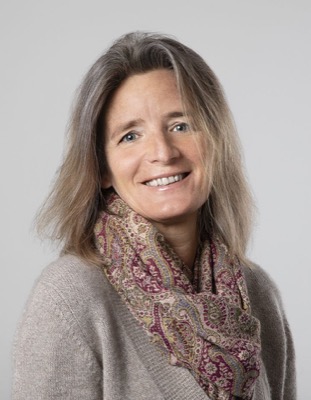
Desde 1969, más de 500.000 clientes confían en nosotros. Con una enorme selección de más de 1.000.000 de partituras, somos uno de los mayores proveedores de Europa. Gracias a nuestro gran stock, a menudo podemos enviar partituras en 24 horas. Sea cual sea la partitura que busque: ¡está en el lugar correcto!
Atentamente, Stefanie Reichert
Responsable de atención al cliente
Otros clientes también compraron:

Henry Purcell
- Solistas, coro mixto (SATB) y orquesta
- Reducción de piano (Urtext)
- Timothy Roberts
-
en stock
|
disponible en 1-3 días laborables
- También disponible para descarga.

Anton Arensky
- Orquesta de cuerda
- Partitura general
-
disponible en 3-6 días laborables


- Orquesta de cuerda
- Set de partichelas - instrumentos de cuerda
- Hilmar Höckner
-
en stock
|
disponible en 1-3 días laborables
- También disponible para descarga.