
Jean Sibelius
Luonnotar op. 70
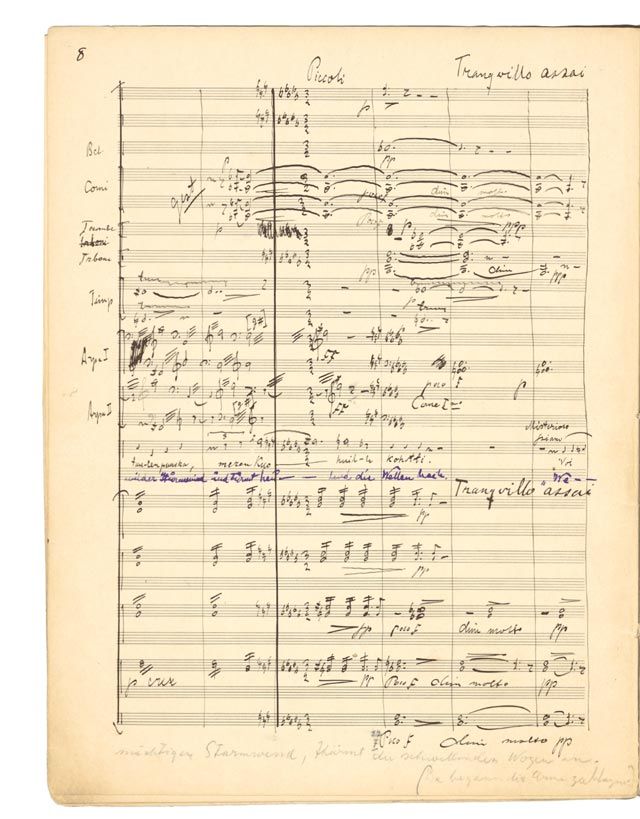
Complete Works JSW Special Volume - Facsimile of the Score and Piano Reduction
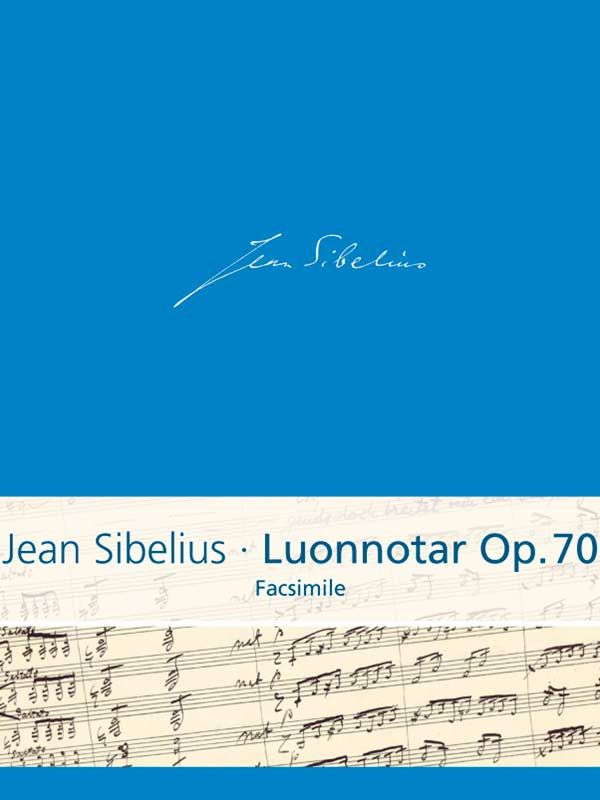
Jean Sibelius
Luonnotar op. 70
Complete Works JSW Special Volume - Facsimile of the Score and Piano Reduction
- Formación Orquesta
- Compositor Jean Sibelius
- Edición Partitura general y reducción de piano (facsímil)
- Editorial Breitkopf & Härtel
- Nº de pedido EBSON626
 disponible en 2-5 días laborables
IVA incluido.,
Más gastos de envío
No disponible en todos los países. Leer más

Descripción de la:
The first performance of 'Luonnotar' took place on September 10, 1913 at the Shire Hall in Gloucester. It is one of his most important works.
Luonnotar was written quite specifically with regard to the range, voice type and timbre of Aino Ackté (1876-1944). In this respect, many conclusions can be drawn about the abilities of this singer. The range of the vocal part extends over two octaves. The high Ces in the pianissimo is as well known among sopranos as it is feared.
Luonnotar is the last of Sibelius' tone poems to be based directly on the Kalevala. The text selection was made by himself. The text does not present a clear, well-rounded whole, nor does it narrate a consequential plot. Instead, the text gives a series of impressions, a kind of Finnish creation version.
The musical text of the study score goes back to volume VIII/1 of the Complete Edition Jean Sibelius Works. There you will find the detailed introduction as well as the Critical Commentary (in English) to this work.
Luonnotar was written quite specifically with regard to the range, voice type and timbre of Aino Ackté (1876-1944). In this respect, many conclusions can be drawn about the abilities of this singer. The range of the vocal part extends over two octaves. The high Ces in the pianissimo is as well known among sopranos as it is feared.
Luonnotar is the last of Sibelius' tone poems to be based directly on the Kalevala. The text selection was made by himself. The text does not present a clear, well-rounded whole, nor does it narrate a consequential plot. Instead, the text gives a series of impressions, a kind of Finnish creation version.
The musical text of the study score goes back to volume VIII/1 of the Complete Edition Jean Sibelius Works. There you will find the detailed introduction as well as the Critical Commentary (in English) to this work.