
Hector Berlioz
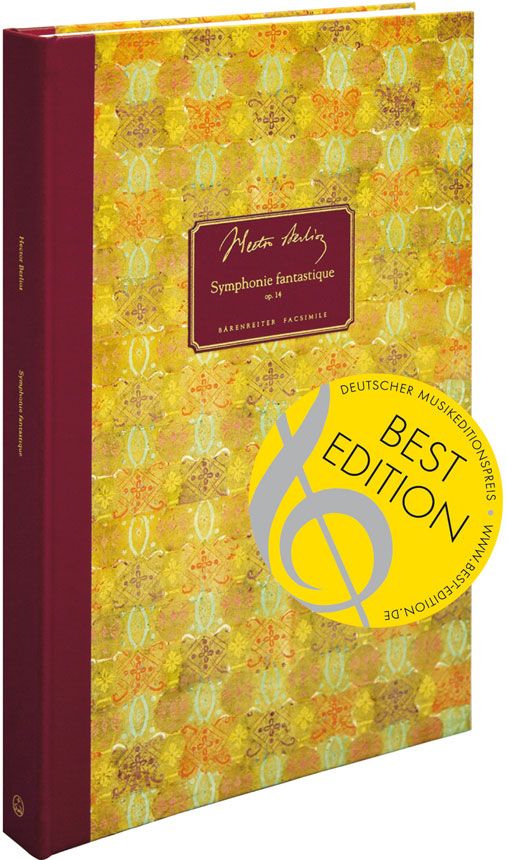
Symphonie fantastique op. 14
Facsimile of the autograph score held in the Bibliothèque nationale de France
Hector Berlioz
Symphonie fantastique op. 14
Facsimile of the autograph score held in the Bibliothèque nationale de France
- Formación Orquesta
- Compositor Hector Berlioz
- Serie Documenta musicologica
- Editor Hugh MacDonald
- Edición Partituras (facsímil)
- Editorial Bärenreiter Verlag
- Nº de pedido BVK1601
 disponible en 2-4 días laborables
IVA incluido.,
Más gastos de envío
No disponible en todos los países. Leer más

Descripción de la:
Love and insanity, tenderness and vulgarity bordering on the grotesque: Hector Berlioz never avoided extremes, neither in his life nor in his oeuvre. His entire Symphonie fantastique is pervaded by a musical 'idée fixe' representing a woman he adored. The symphony brought about his breakthrough and has remained popular ever since.
The impact of his masterly approach to composition, especially in the treatment of the orchestration, could still be felt in the 20th century. Berlioz revised the work for years before it finally reached its definitive version.
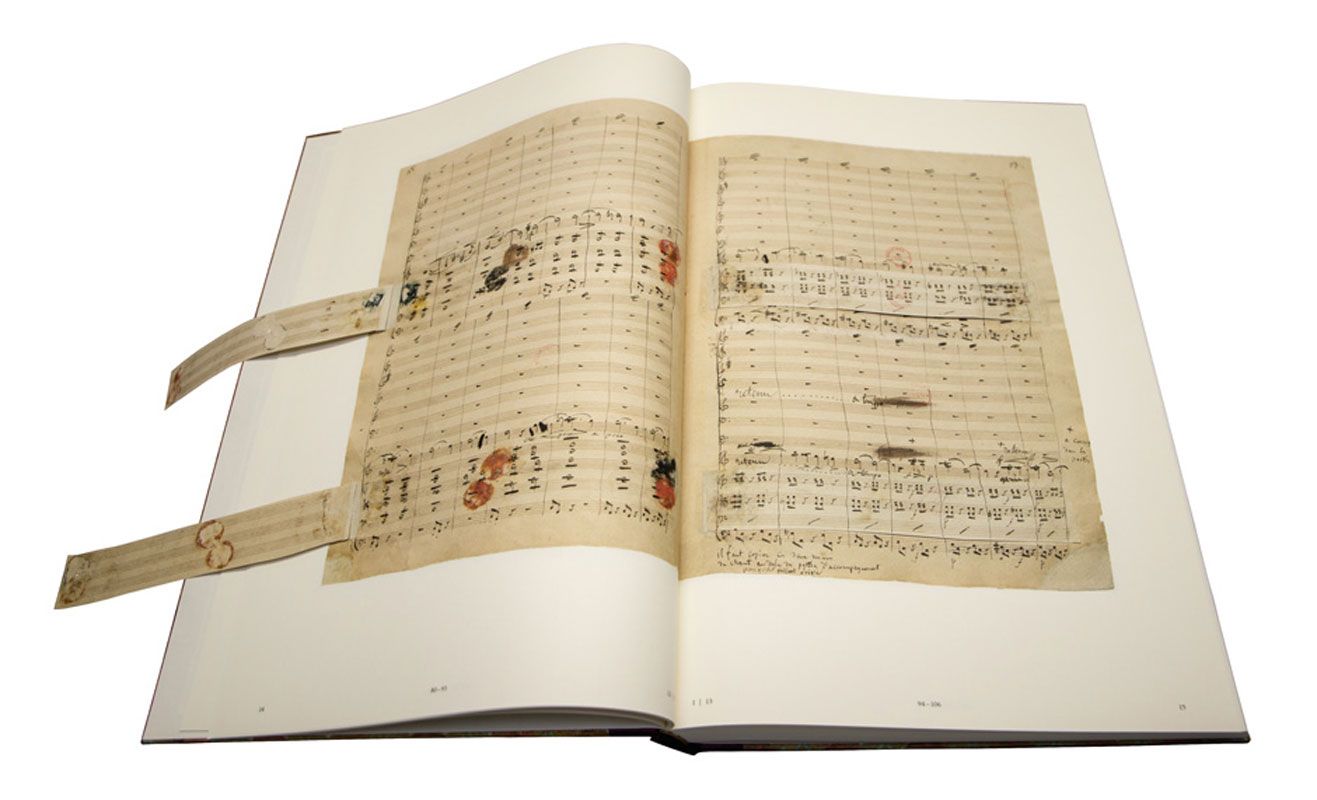
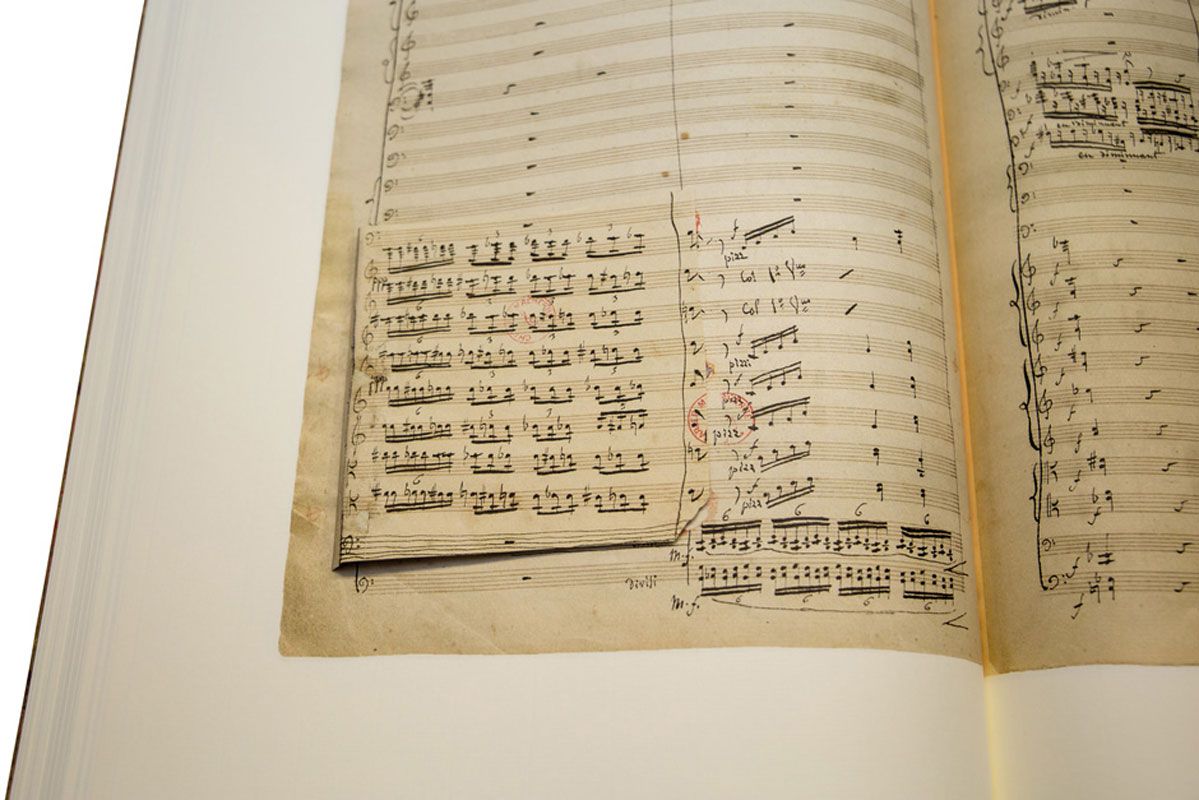
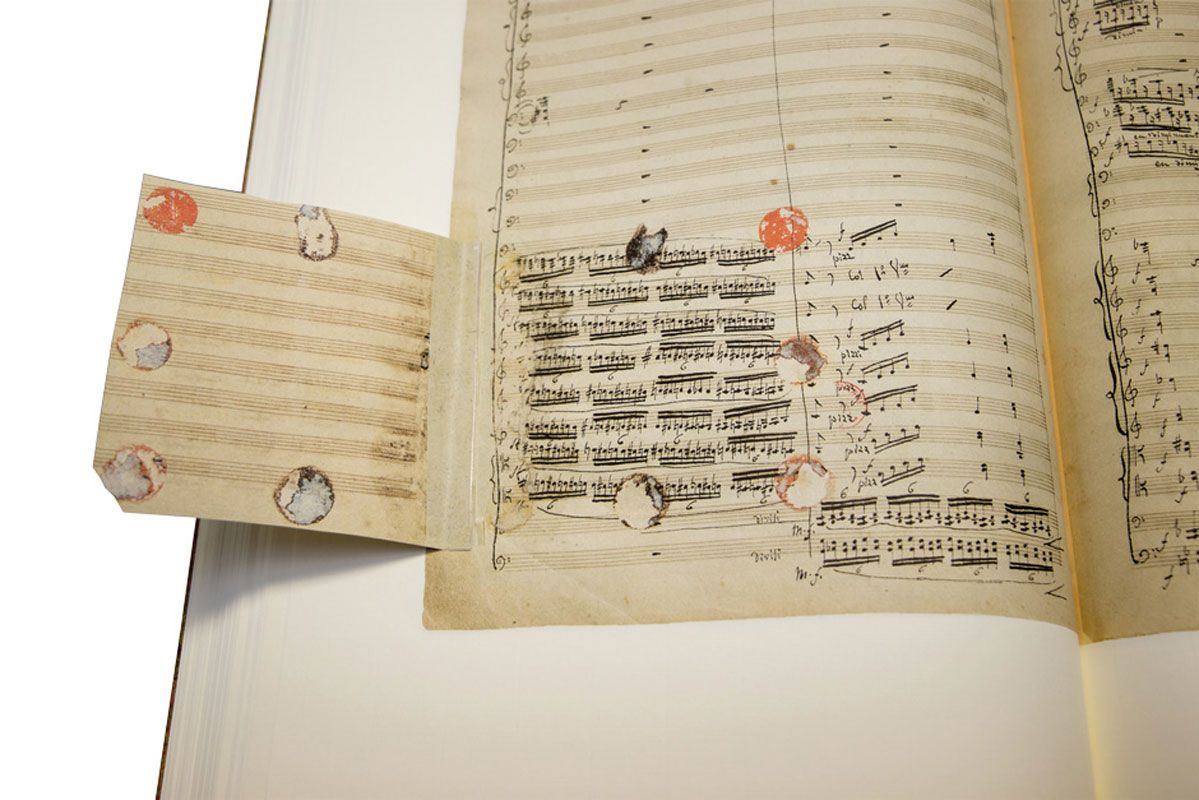
He entered many of these changes in the autograph score, which was also used for performances, by pasting strips of paper over the bars or parts in question. This facsimile edition, in high-quality four-colour reproduction, presents the manuscript as it is today - with strips of paper that can be folded out, making both versions visible.
Hugh Macdonald, General Editor of the New Berlioz Edition, explains the work’s genesis and presents particular passages from each movement.
The impact of his masterly approach to composition, especially in the treatment of the orchestration, could still be felt in the 20th century. Berlioz revised the work for years before it finally reached its definitive version.
He entered many of these changes in the autograph score, which was also used for performances, by pasting strips of paper over the bars or parts in question. This facsimile edition, in high-quality four-colour reproduction, presents the manuscript as it is today - with strips of paper that can be folded out, making both versions visible.
Hugh Macdonald, General Editor of the New Berlioz Edition, explains the work’s genesis and presents particular passages from each movement.