
Partituras de música clásica
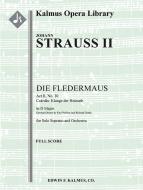
La opereta cómica DIE FLEDERMAUS (EL BAT) de Johann Strauss II (1825-1899) es la opereta más conocida del compositor, aunque "El rey del vals" quizá sea más recordado aún por su contribución a ese bai...
La opereta cómica DIE FLEDERMAUS (EL BAT) de Johann Strauss II (1825-1899) es la opereta más conocida del compositor, aunque "El rey del vals" quizá sea más recordado aún por su contribución a ese bai...
- Voz y orquesta
- Partitura general
- Edwin F. Kalmus
-
 disponible en 3-4 semanas
disponible en 3-4 semanas
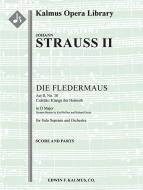
La opereta cómica DIE FLEDERMAUS (EL BAT) de Johann Strauss II (1825-1899) es la opereta más conocida del compositor, aunque "El rey del vals" quizá sea más recordado aún por su contribución a ese bai...
La opereta cómica DIE FLEDERMAUS (EL BAT) de Johann Strauss II (1825-1899) es la opereta más conocida del compositor, aunque "El rey del vals" quizá sea más recordado aún por su contribución a ese bai...
- Voz y orquesta
- Partitura general y partichelas
- Edwin F. Kalmus
-
disponible en 3-4 semanas
disponible en 3-4 semanas
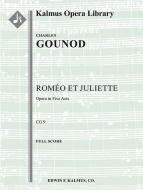
Charles Gounod (1818-1893) terminó la ópera en cinco actos Roméo et Juliette (Romeo y Julieta) en 1867. Con un libreto de Jules Barbier y Michael Carré, la ópera narra la trágica historia de la obra d...
Charles Gounod (1818-1893) terminó la ópera en cinco actos Roméo et Juliette (Romeo y Julieta) en 1867. Con un libreto de Jules Barbier y Michael Carré, la ópera narra la trágica historia de la obra d...
- Voz y orquesta
- Partitura general
- Edwin F. Kalmus
-
disponible en 3-4 semanas
disponible en 3-4 semanas
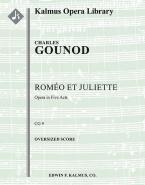
Charles Gounod (1818-1893) terminó la ópera en cinco actos Roméo et Juliette (Romeo y Julieta) en 1867. Con un libreto de Jules Barbier y Michael Carré, la ópera narra la trágica historia de la obra d...
Charles Gounod (1818-1893) terminó la ópera en cinco actos Roméo et Juliette (Romeo y Julieta) en 1867. Con un libreto de Jules Barbier y Michael Carré, la ópera narra la trágica historia de la obra d...
- 13 solistas, coro y orquesta
- Partitura general
- Edwin F. Kalmus
-
disponible en 3-4 semanas
disponible en 3-4 semanas
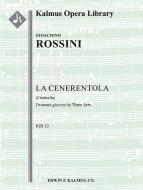
La Cenerentola (Cenicienta) está basada en el cuento de hadas Cendrillon de Charles Perrault. Gioachino Rossini (1792-1868) compuso La Cenerentola a los 25 años, tras el éxito de su ópera El barbero d...
La Cenerentola (Cenicienta) está basada en el cuento de hadas Cendrillon de Charles Perrault. Gioachino Rossini (1792-1868) compuso La Cenerentola a los 25 años, tras el éxito de su ópera El barbero d...
- 7 solistas, coro y orquesta
- Partitura general y partichelas
- Edwin F. Kalmus
-
disponible en 3-4 semanas
disponible en 3-4 semanas
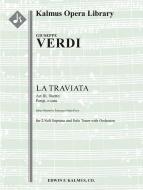
LA TRAVIATA (LA MUJER CAÍDA) se basa en La Dame aux camélias (1852), obra teatral adaptada de la novela de Alexandre Dumas fils. La ópera se tituló originalmente Violetta, en honor a la protagonista....
LA TRAVIATA (LA MUJER CAÍDA) se basa en La Dame aux camélias (1852), obra teatral adaptada de la novela de Alexandre Dumas fils. La ópera se tituló originalmente Violetta, en honor a la protagonista....
- Partitura general
- Edwin F. Kalmus
-
disponible en 3-4 semanas
disponible en 3-4 semanas
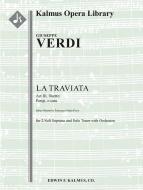
LA TRAVIATA (LA MUJER CAÍDA) se basa en La Dame aux camélias (1852), obra teatral adaptada de la novela de Alexandre Dumas fils. La ópera se tituló originalmente Violetta, en honor a la protagonista....
LA TRAVIATA (LA MUJER CAÍDA) se basa en La Dame aux camélias (1852), obra teatral adaptada de la novela de Alexandre Dumas fils. La ópera se tituló originalmente Violetta, en honor a la protagonista....
- Partitura general y partichelas
- Edwin F. Kalmus
-
disponible en 3-4 semanas
disponible en 3-4 semanas
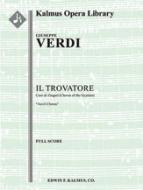
Perhaps the best-known music from Giuseppe Verdi's (1813-1901) 4 Act opera Il Trovatore, the Coro di Zingari (Chorus of the Gypsies), or "Anvil Chorus," from the beginning of the Act 2 depicts Spanish...
Perhaps the best-known music from Giuseppe Verdi's (1813-1901) 4 Act opera Il Trovatore, the Coro di Zingari (Chorus of the Gypsies), or "Anvil Chorus," from the beginning of the Act 2 depicts Spanish...
- Coro y orquesta
- Partitura general
- Edwin F. Kalmus
-
disponible en 3-4 semanas
disponible en 3-4 semanas
Perhaps the best-known music from Giuseppe Verdi's (1813-1901) 4 Act opera Il Trovatore, the Coro di Zingari (Chorus of the Gypsies), or "Anvil Chorus," from the beginning of the Act 2 depicts Spanish...
Perhaps the best-known music from Giuseppe Verdi's (1813-1901) 4 Act opera Il Trovatore, the Coro di Zingari (Chorus of the Gypsies), or "Anvil Chorus," from the beginning of the Act 2 depicts Spanish...
- Coro y orquesta
- Partitura general y partichelas
- Edwin F. Kalmus
-
disponible en 3-4 semanas
disponible en 3-4 semanas
Perhaps the best-known music from Giuseppe Verdi's (1813-1901) 4 Act opera Il Trovatore, the Coro di Zingari (Chorus of the Gypsies), or "Anvil Chorus," from the beginning of the Act 2 depicts Spanish...
Perhaps the best-known music from Giuseppe Verdi's (1813-1901) 4 Act opera Il Trovatore, the Coro di Zingari (Chorus of the Gypsies), or "Anvil Chorus," from the beginning of the Act 2 depicts Spanish...
- Coro y orquesta
- Partitura general de coro
- Edwin F. Kalmus
-
disponible en 3-4 semanas
disponible en 3-4 semanas
EUGENE ONEGIN, basada en una novela en verso de Alexander Pushkin, es la ópera más conocida de Peter Ilyitch Tchaikovsky (1840-1893). La historia describe la vida del Onegin titular, un dandi ruso que...
EUGENE ONEGIN, basada en una novela en verso de Alexander Pushkin, es la ópera más conocida de Peter Ilyitch Tchaikovsky (1840-1893). La historia describe la vida del Onegin titular, un dandi ruso que...
- Voz (aguda) y orquesta
- Partitura general
- Edwin F. Kalmus
-
disponible en 3-4 semanas
disponible en 3-4 semanas
EUGENE ONEGIN, basada en una novela en verso de Alexander Pushkin, es la ópera más conocida de Peter Ilyitch Tchaikovsky (1840-1893). La historia describe la vida del Onegin titular, un dandi ruso que...
EUGENE ONEGIN, basada en una novela en verso de Alexander Pushkin, es la ópera más conocida de Peter Ilyitch Tchaikovsky (1840-1893). La historia describe la vida del Onegin titular, un dandi ruso que...
- Voz (aguda) y orquesta
- Partitura general y partichelas
- Edwin F. Kalmus
-
disponible en 3-4 semanas
disponible en 3-4 semanas
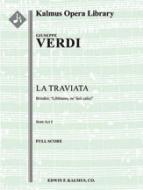
Performed in the first act of Giuseppe Verdi's (1813-1901) opera, LA TRAVIATA, this famous duet is sung by the characters Violetta and Alfredo Germont, the young man who loves her, at a late-night par...
Performed in the first act of Giuseppe Verdi's (1813-1901) opera, LA TRAVIATA, this famous duet is sung by the characters Violetta and Alfredo Germont, the young man who loves her, at a late-night par...
- 2 voces (agudas), coro y orquesta
- Partitura general
- Edwin F. Kalmus
-
disponible en 3-4 semanas
disponible en 3-4 semanas
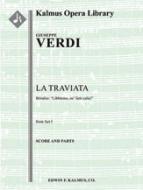
Performed in the first act of Giuseppe Verdi's (1813-1901) opera, LA TRAVIATA, this famous duet is sung by the characters Violetta and Alfredo Germont, the young man who loves her, at a late-night par...
Performed in the first act of Giuseppe Verdi's (1813-1901) opera, LA TRAVIATA, this famous duet is sung by the characters Violetta and Alfredo Germont, the young man who loves her, at a late-night par...
- 2 voces (agudas), coro y orquesta
- Partitura general y partichelas
- Edwin F. Kalmus
-
disponible en 3-4 semanas
disponible en 3-4 semanas
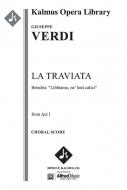
Performed in the first act of Giuseppe Verdi's (1813-1901) opera, LA TRAVIATA, this famous duet is sung by the characters Violetta and Alfredo Germont, the young man who loves her, at a late-night par...
Performed in the first act of Giuseppe Verdi's (1813-1901) opera, LA TRAVIATA, this famous duet is sung by the characters Violetta and Alfredo Germont, the young man who loves her, at a late-night par...
- 2 voces (agudas), coro y orquesta
- Partitura general
- Edwin F. Kalmus
-
disponible en 3-6 días laborables
disponible en 3-6 días laborables
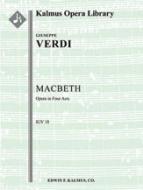
Written for the Teatro della Pergola in Florence, and premiering on March 14 1847, MACBETH was Verdi's tenth opera and the first genuine masterpiece of his career. Adamant about creating an opera &quo...
Written for the Teatro della Pergola in Florence, and premiering on March 14 1847, MACBETH was Verdi's tenth opera and the first genuine masterpiece of his career. Adamant about creating an opera &quo...
- Solistas, coro y orquesta
- Partitura general
- Edwin F. Kalmus
-
disponible en 3-4 semanas
disponible en 3-4 semanas
LUISA MILLER, que marcó el inicio de su periodo intermedio, causó a Giuseppe Verdi (1813-1901) muchos problemas con el Teatro San Carlo de Nápoles. Cuando la dirección rechazó su propuesta inicial par...
LUISA MILLER, que marcó el inicio de su periodo intermedio, causó a Giuseppe Verdi (1813-1901) muchos problemas con el Teatro San Carlo de Nápoles. Cuando la dirección rechazó su propuesta inicial par...
- Soli (TB), Coro masculino y Orquesta
- Partitura general
- Edwin F. Kalmus
-
disponible en 3-4 semanas
disponible en 3-4 semanas
LUISA MILLER, que marcó el inicio de su periodo intermedio, causó a Giuseppe Verdi (1813-1901) muchos problemas con el Teatro San Carlo de Nápoles. Cuando la dirección rechazó su propuesta inicial par...
LUISA MILLER, que marcó el inicio de su periodo intermedio, causó a Giuseppe Verdi (1813-1901) muchos problemas con el Teatro San Carlo de Nápoles. Cuando la dirección rechazó su propuesta inicial par...
- Soli (TB), Coro masculino y Orquesta
- Partitura general y partichelas
- Edwin F. Kalmus
-
disponible en 3-4 semanas
disponible en 3-4 semanas
Charles Gounod (1818-1893) completed the five-act opera Roméo et Juliette (Romeo and Juliet) in 1867. With a libretto by Jules Barbier and Michael Carré, the opera tells the tragic story of Shakespear...
Charles Gounod (1818-1893) completed the five-act opera Roméo et Juliette (Romeo and Juliet) in 1867. With a libretto by Jules Barbier and Michael Carré, the opera tells the tragic story of Shakespear...
- Voz (aguda) y orquesta
- Partitura general
- Edwin F. Kalmus
-
disponible en 3-4 semanas
disponible en 3-4 semanas
Charles Gounod (1818-1893) completed the five-act opera Roméo et Juliette (Romeo and Juliet) in 1867. With a libretto by Jules Barbier and Michael Carré, the opera tells the tragic story of Shakespear...
Charles Gounod (1818-1893) completed the five-act opera Roméo et Juliette (Romeo and Juliet) in 1867. With a libretto by Jules Barbier and Michael Carré, the opera tells the tragic story of Shakespear...
- Voz (aguda) y orquesta
- Partitura general y partichelas
- Edwin F. Kalmus
-
disponible en 3-4 semanas
disponible en 3-4 semanas
Charles Gounod (1818-1893) terminó la ópera en cinco actos ROMÉO ET JULIETTE (ROMEO Y JULIETA) en 1867. Con un libreto de Jules Barbier y Michael Carré, la ópera cuenta la trágica historia de la obra...
Charles Gounod (1818-1893) terminó la ópera en cinco actos ROMÉO ET JULIETTE (ROMEO Y JULIETA) en 1867. Con un libreto de Jules Barbier y Michael Carré, la ópera cuenta la trágica historia de la obra...
- Solistas (ST) y orquesta
- Partitura general
- Edwin F. Kalmus
-
disponible en 3-4 semanas
disponible en 3-4 semanas
Charles Gounod (1818-1893) terminó la ópera en cinco actos ROMÉO ET JULIETTE (ROMEO Y JULIETA) en 1867. Con un libreto de Jules Barbier y Michael Carré, la ópera cuenta la trágica historia de la obra...
Charles Gounod (1818-1893) terminó la ópera en cinco actos ROMÉO ET JULIETTE (ROMEO Y JULIETA) en 1867. Con un libreto de Jules Barbier y Michael Carré, la ópera cuenta la trágica historia de la obra...
- Solistas (ST) y orquesta
- Partitura general y partichelas
- Edwin F. Kalmus
-
disponible en 3-4 semanas
disponible en 3-4 semanas
Wolfgang Amadeus Mozart's (1756-1791) singspiel Die Zauberflöte (The Magic Flute), K. 620, was written in 1791 and premiered on September 30th of that same year at the Freihaus-Theater auf der Wieden,...
Wolfgang Amadeus Mozart's (1756-1791) singspiel Die Zauberflöte (The Magic Flute), K. 620, was written in 1791 and premiered on September 30th of that same year at the Freihaus-Theater auf der Wieden,...
- Solistas y orquesta
- Partitura general
- Edwin F. Kalmus
-
disponible en 3-4 semanas
disponible en 3-4 semanas
Wolfgang Amadeus Mozart's (1756-1791) singspiel Die Zauberflöte (The Magic Flute), K. 620, was written in 1791 and premiered on September 30th of that same year at the Freihaus-Theater auf der Wieden,...
Wolfgang Amadeus Mozart's (1756-1791) singspiel Die Zauberflöte (The Magic Flute), K. 620, was written in 1791 and premiered on September 30th of that same year at the Freihaus-Theater auf der Wieden,...
- Solistas y orquesta
- Partitura general y partichelas
- Edwin F. Kalmus
-
disponible en 3-4 semanas
disponible en 3-4 semanas
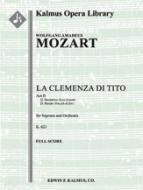
La Clemenza di Tito (The Clemency of Titus), K. 621 was written by Wolfgang Amadeus Mozart (1756-1791) in 1791 after he had almost finished Die Zauberflöte (The Magic Flute). Commissioned to celebrate...
La Clemenza di Tito (The Clemency of Titus), K. 621 was written by Wolfgang Amadeus Mozart (1756-1791) in 1791 after he had almost finished Die Zauberflöte (The Magic Flute). Commissioned to celebrate...
- Voz (aguda) y orquesta
- Partitura general
- Edwin F. Kalmus
-
disponible en 3-4 semanas
disponible en 3-4 semanas
Partituras de música clásica aquí!
En nuestra tienda online podrá descubrir una gran selección de partituras de música clásica. Aquí encontrará partituras de música clásica para todas las instrumentaciones de todas las editoriales del mundo. Navegue por nuestro amplio surtido y haga aquí su pedido a su renombrada empresa especializada en venta por correspondencia de partituras de todo tipo, establecida en el mercado desde 1969.