
Ludwig van Beethoven, Peter Iljitsch Tschaikowsky, Felix Mendelssohn Bartholdy, Felix Reuter
Elises Traum
inspiriert durch Bagatelle Nr. 25 a-Moll, WoO 59 "Für Elise" (Beethoven) und "Schwanensee", op. 20, 1. Akt (Tschaikowski)

Ver
PDF
Recomendar
Recomendar artículo
Ludwig van Beethoven, Peter Iljitsch Tschaikowsky, Felix Mendelssohn Bartholdy, Felix Reuter
Elises Traum
inspiriert durch Bagatelle Nr. 25 a-Moll, WoO 59 "Für Elise" (Beethoven) und "Schwanensee", op. 20, 1. Akt (Tschaikowski)
- Formación Piano
- Edición Partituras para descargar
- Compositor Ludwig van Beethoven Peter Iljitsch Tschaikowsky Felix Mendelssohn Bartholdy Felix Reuter
- Editorial Soundnotation
- Nº de pedido 4251133763447-DL
IVA incluido.,
Más gastos de envío
 Inmediatamente disponible
|
Descargar inmediatamente al finalizar la orden

Descripción:
In "Elises Traum" (Elise's Dream) Reuter organically combines two world-famous melodies in modern form and motif: Ludwig van Beethoven's "Für Elise" (Bagatelle No. 25 in A minor, WoO 59) and Pyotr Ilyich Tchaikovsky's "Swan Lake" (op. 20, Act 1). In addition, a small excerpt of the well-known "Wedding March" by Mendelssohn-Bartholdy appears in between in this mix. Reuter's own musical signature and his soulful transcriptions bring the two masterpieces into imaginative and moving dialogue with each other. As in Beethoven's original composition, Felix Reuter opens with the famous signature melody in pianissimo. But already after a few runs it is transferred into the mysterious world of "Swan Lake". Playfully, sometimes in shorter, sometimes in more extended phrases, echoes from both original works intertwine and nestle together as if in dance. "Elise's Dream," with its quietly melancholy character and flowing, dynamic tension, invites the listener to dream and be inspired. Reuter transposes the 3/8 rhythm of "Elise" into a free 4/8 metric, and from the interplay of even and odd rhythms arises a metric accent shift that still calls for a voyage of discovery even after repeated playing. This arrangement elicits new presence from the original motifs, gives the work its intimate, moving expression, and also leaves room for improvisation, imagination, and emotion at the piano.
Cómo funciona la descarga:
1 Pedir el artículo de descarga
Usted pide el artículo de descarga deseado en nuestra tienda online.
2 Recibir la confirmación del pedido con el enlace de descarga
Inmediatamente después de completar su pedido, le enviaremos una confirmación por correo electrónico. Encontrará el enlace de descarga directamente junto al artículo. Por favor, revise también su carpeta de spam si es necesario.
Los clientes han valorado este artículo:
Otros clientes también compraron:

Hans-Günter Heumann
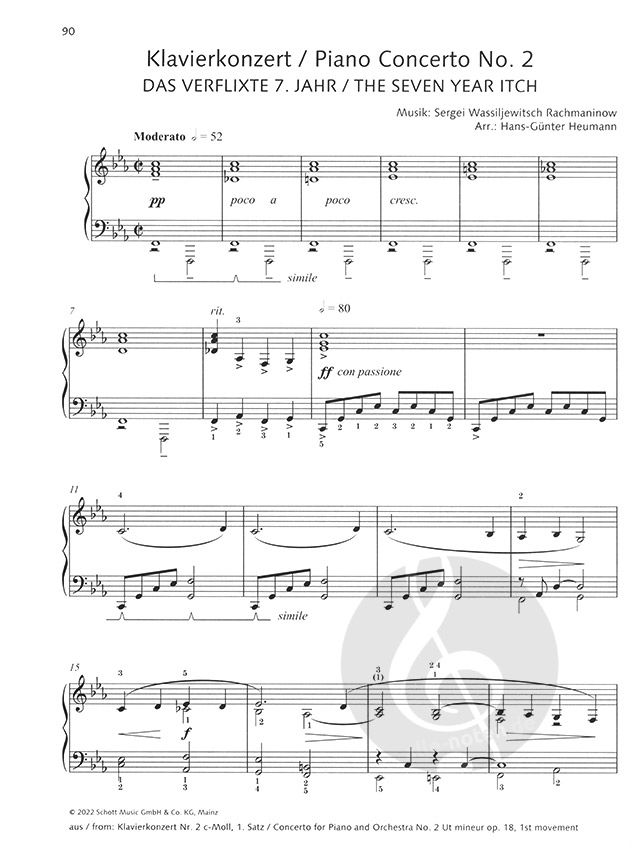
50 éxitos cinematográficos fáciles, de Amelié a Los intocables
- Piano
- Partituras
- Hans-Günter Heumann
-
en stock
|
disponible en 1-3 días laborables

- Piano
- Partituras
- Robert Schultz
-
en stock
|
disponible en 1-3 días laborables


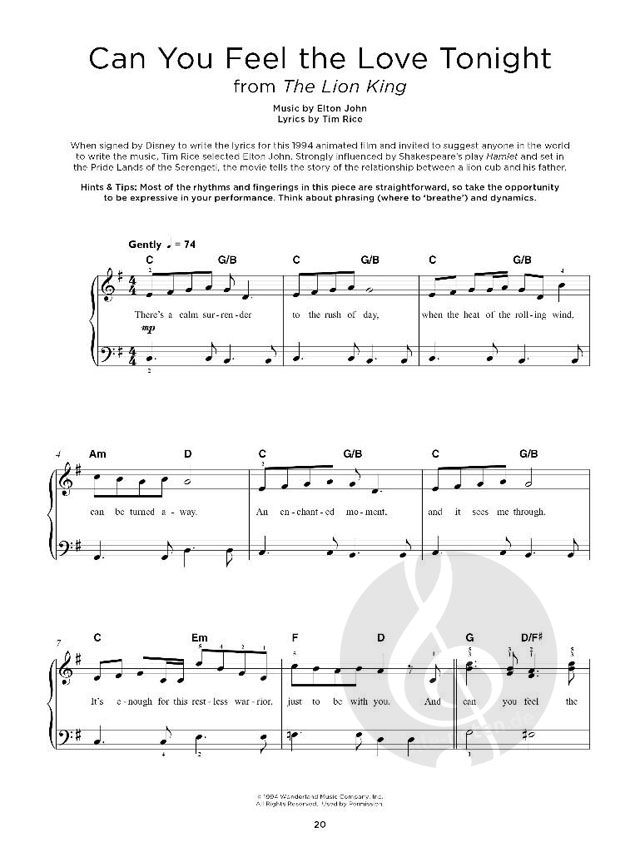
with Background Notes and Performance Tips for every Song
- Piano
- Partituras
-
en stock
|
disponible en 1-3 días laborables