
Peter Iljitsch Tschaikowsky
Symphony No. 5 in E minor op. 64
Studienpartitur

Ver
PDF
Recomendar
Recomendar artículo
Peter Iljitsch Tschaikowsky
Symphony No. 5 in E minor op. 64
Studienpartitur
- Formación Orquesta
- Edición Partitura general de estudio (Urtext)
- Compositor Peter Iljitsch Tschaikowsky
- Editorial Breitkopf & Härtel
- Editor Christoph Flamm
- Nº de pedido PB5559
IVA incluido.,
Más gastos de envío
 en stock
|
disponible en 1-3 días laborables
Descripción:
Like Hamlet Overture, originating at about the same time, Tchaikovsky's 5th symphony, composed in 1888, focuses on the human existential question: To be or not to be - triumph over fate or triumph of fate? The per aspera ad astra dramaturgy underlying the symphony culminates in triumphant certainty. If Tchaikovsky was initially euphoric, then severe self-doubts befell him after he conducted the premiere in St. Petersburg. These doubts demonstrably led him to make interpretative changes for the Hamburg performance in 1889, including a cut in the finale. Only with the extremely positive response to this performance did his doubts dispel. Nevertheless, Tchaikovsky himself never again conducted the 5th symphony. It was only posthumously established in the repertoire through Arthur Nikisch's commitment.
The new edition's textual criticism takes into account besides the autograph and first edition also the first edition's orchestral parts, together with the piano arrangement produced from the autograph by Sergei Taneyev. In addition to thoroughly clarifying dynamics and articulation, the source comparison also corrected many errors and solved problematical passages, such as, for instance, the trombone entry in m. 372 of the finale. Considered, moreover, for the first time has been the composer's doubts about his work and its ambiguities, frequently successfully suppressed in the history of its performance and reception. Tchaikovsky's conductor's copy is unfortunately lost, hence his alterations made for the Hamburg performance are not precisely known. They have survived only indirectly through remarks that Willem Mengelberg left to posterity, for which he could draw on Tchaikovsky's conductor's score and oral references by the composer's brother Modest. So, anyone wishing to deal seriously with the work's certainties will not be able to do so in the future without having also to deal with its uncertainties.
The new edition's textual criticism takes into account besides the autograph and first edition also the first edition's orchestral parts, together with the piano arrangement produced from the autograph by Sergei Taneyev. In addition to thoroughly clarifying dynamics and articulation, the source comparison also corrected many errors and solved problematical passages, such as, for instance, the trombone entry in m. 372 of the finale. Considered, moreover, for the first time has been the composer's doubts about his work and its ambiguities, frequently successfully suppressed in the history of its performance and reception. Tchaikovsky's conductor's copy is unfortunately lost, hence his alterations made for the Hamburg performance are not precisely known. They have survived only indirectly through remarks that Willem Mengelberg left to posterity, for which he could draw on Tchaikovsky's conductor's score and oral references by the composer's brother Modest. So, anyone wishing to deal seriously with the work's certainties will not be able to do so in the future without having also to deal with its uncertainties.
Los clientes han valorado este artículo:
Partituras desde 1969

Desde 1969, más de 500.000 clientes confían en nosotros. Con una enorme selección de más de 1.000.000 de partituras, somos uno de los mayores proveedores de Europa. Gracias a nuestro gran stock, a menudo podemos enviar partituras en 24 horas. Sea cual sea la partitura que busque: ¡está en el lugar correcto!
Atentamente, Stefanie Reichert
Responsable de atención al cliente
Otros clientes también compraron:

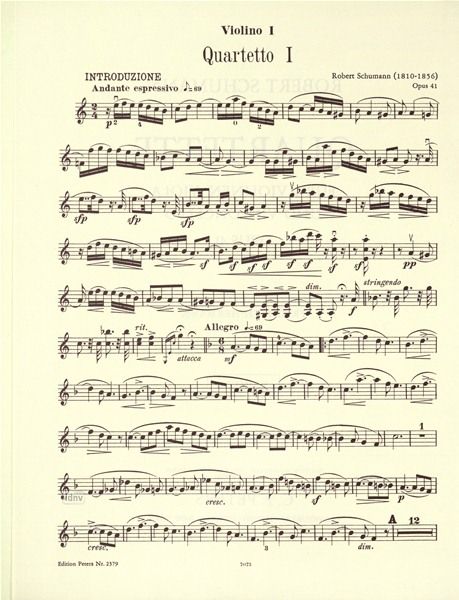
Robert Schumann
- Cuarteto de cuerda (2 violines, viola y violonchelo)
- Set de partichelas
-
disponible en 3-6 días laborables

- Piano
- Partituras (Urtext)
- Walther Lampe Hans-Martin Theopold
-
disponible en 2-5 días laborables

- Literatura
- Libro
-
en stock
|
disponible en 1-3 días laborables

Asuka Ohta, Hirokazu Tanaka, Kenta Nagata, Mahito Yokota
Intermediate / Advanced Piano Solos
- Piano
- Partituras
-
en stock
|
disponible en 1-3 días laborables

- Trío de cuerda (violín, viola y violonchelo)
- Set de partichelas (Urtext)
-
en stock
|
disponible en 1-3 días laborables
- También disponible para descarga.

- Piano
- Partituras (Urtext)
- Walther Lampe Hans-Martin Theopold
-
disponible en 2-5 días laborables

- Piano
- Partituras y audio online
-
disponible en 3-6 días laborables

- Trío de cuerda (violín, viola y violonchelo)
- Set de partichelas (Urtext)
-
en stock
|
disponible en 1-3 días laborables

- Violín y piano
- Partitura de piano y partichela(s)
- Martin Pierre Marsick
-
en stock
|
disponible en 1-3 días laborables

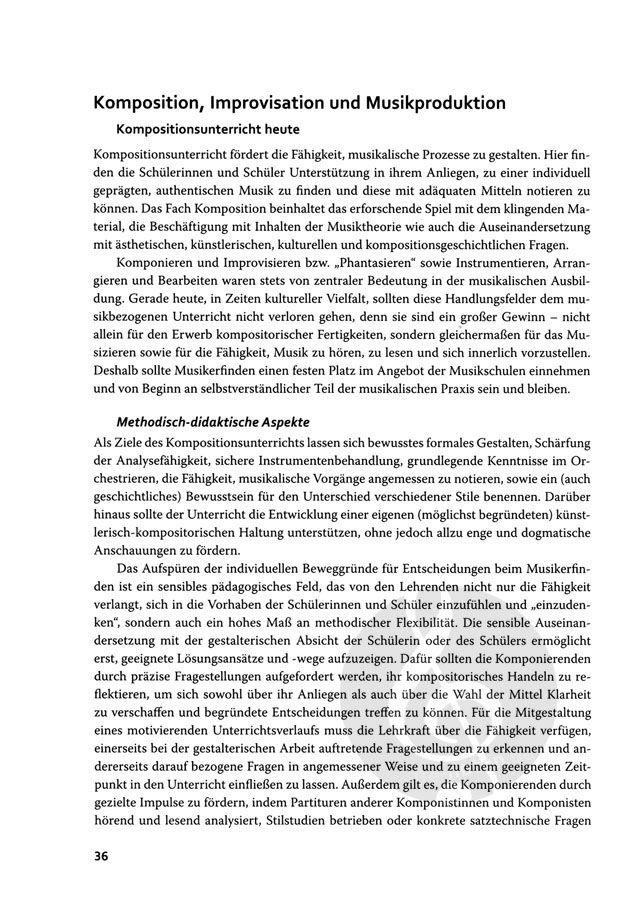
- Teoría
- Libro
-
en stock
|
disponible en 1-3 días laborables

Laura Krämer
- Teoría general de la música
- Libro
-
disponible en 4-8 días laborables

David Mesquita, Florian Vogt
- Entrenamiento auditivo
- Libro
-
en stock
|
disponible en 1-3 días laborables


- Literatura
- Libro
-
disponible en 2-4 días laborables


Johann Nepomuk Hummel
- Piano
- Partituras
-
en stock
|
disponible en 1-3 días laborables